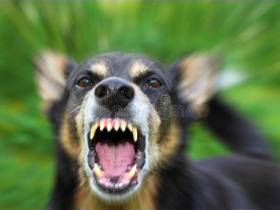



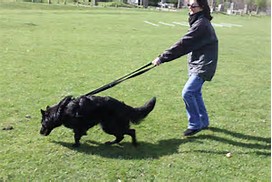

The walk can change in a second. Your dog spots another dog across the street, stiffens, barks, pulls hard, or lunges until your arm hurts. You may feel embarrassed, frustrated, or worried about what could happen if the leash slips. Dog reactivity training gives you a practical way forward: not by punishing your dog for having big feelings, but by building the attention, self-control, and confidence needed to make better choices.
Reactive behavior is common, especially in adolescent dogs, rescue dogs, and dogs who have had limited positive exposure to people, dogs, or busy environments. It can improve. The first step is understanding what your dog is communicating and creating a training plan that works in the places where the problem actually happens.
What Dog Reactivity Really Means
A reactive dog has an outsized response to a trigger. That trigger might be another dog, a runner, a bicycle, a visitor, a child on a scooter, or a person approaching the front door. The response can look like barking, growling, staring, lunging, spinning, freezing, or pulling away.
Reactivity is not a diagnosis, and it does not automatically mean a dog is aggressive. Many dogs react because they are afraid and want space. Others are frustrated because they desperately want to greet the dog across the street. Some have learned that barking makes unfamiliar people or dogs move away. The behavior may look similar from a distance, but the reason behind it matters.
That is why generic advice such as “just socialize your dog more” can backfire. For a worried dog, being pushed too close to strangers or dogs can make the fear stronger. For a frustrated greeter, repeated leash-to-leash meetings can build more excitement and less self-control. Effective training starts with your individual dog, not a one-size-fits-all rule.
Why Reactivity Gets Worse on Walks
A leash removes a dog’s ability to naturally create distance. If your dog sees something concerning and cannot move away, they may bark and lunge to make the situation change. Tight leash pressure, a tense handler, and crowded sidewalks can add even more stress.
Denver Metro neighborhoods also present plenty of challenges: narrow paths, dogs behind fences, busy parks, cyclists, delivery drivers, and close encounters around trail corners. A dog who is calm in the backyard may struggle when surprises appear on a neighborhood walk.
Reactivity often becomes a pattern because it works from the dog’s perspective. Your dog explodes, the other dog passes, and the pressure disappears. Your dog is not trying to give you a hard time. They are having a hard time and using the behavior they know.
The Goal Is Control, Not a Perfectly Silent Dog
A good dog reactivity training plan does not demand that your dog love every person or dog they see. Some dogs will never be social butterflies, and that is okay. The goal is a dog who can notice a trigger, stay connected to you, and move through the situation safely without losing control.
That may mean your dog looks at another dog and then turns back to you. It may mean crossing the street early, stepping into a driveway, or calmly creating space rather than forcing a close pass. Those choices are wins. They protect your dog’s emotional comfort while teaching a more useful response.
Progress is rarely a straight line. Your dog may handle a quiet morning walk beautifully and struggle on a crowded evening when they are tired or surprised. Weather, distance, the other dog’s behavior, and your own timing all matter. Real progress is measured by recovery, responsiveness, and an increasing ability to handle everyday life.
Build the Skills Before You Need Them
Trying to teach a new cue while your dog is already barking at the end of the leash is difficult for everyone. Start in a setting where your dog can think, such as your living room, yard, or a quiet part of the neighborhood. Build engagement before asking for it around distractions.
Teach Your Dog That Paying Attention Is Worth It
Your dog should learn that responding to their name, making eye contact, and checking in with you leads to something good. Food rewards are often useful because they are clear, quick, and easy to deliver. Praise, movement, toys, and access to sniffing can also be meaningful rewards, depending on the dog.
Practice simple skills in short sessions. Ask for attention, reward it, then release your dog to continue exploring. Teach a hand target, a calm turn-away, and a cue that means “let’s go.” These are not party tricks. They are tools you can use when a dog appears around the corner or a neighbor steps outside unexpectedly.
Work at a Distance Your Dog Can Handle
Distance is one of the most powerful tools in reactivity training. When your dog can see a trigger without erupting, they are in a better position to learn. From that workable distance, you can reward calm observation, voluntary check-ins, and choosing to move with you.
If your dog will not take food, cannot respond to a familiar cue, or is staring intensely, you are likely too close or the situation is too difficult. Create more space. Crossing the street is not failure. Turning around is not giving in. It is smart handling that prevents your dog from rehearsing the behavior you want to change.
Keep the Leash Calm
A tight leash can communicate that something is wrong, especially to a dog already on edge. Zero-pressure leash handling helps your dog move with you without feeling trapped or corrected for being worried.
This does not mean allowing your dog to drag you down the sidewalk. It means teaching loose-leash movement, using clear direction, and avoiding a battle at the end of the leash. Calm, consistent handling gives your dog information they can trust.
What to Avoid During Reactive Moments
When a dog is barking and lunging, it is tempting to scold, yank the leash, or force them to sit close to the trigger. Those approaches can suppress noise in the moment while increasing fear, frustration, or uncertainty underneath. A dog who feels punished around other dogs may begin associating other dogs with an even worse experience.
Avoid crowded greetings, dog parks, and close passes while you are rebuilding your dog’s skills. These situations are not automatically wrong for every dog, but they are often too much for a reactive dog early in training. Management is part of training because every successful calm repetition matters.
Also avoid waiting until your dog is already over threshold. Watch for early signs such as sudden stillness, hard staring, closed mouth, ears forward or pinned back, faster breathing, or weight shifting forward. Acting early gives you far more options.
When Professional Help Makes the Difference
Reactivity can be emotionally exhausting. Many owners begin avoiding walks, scanning every block for other dogs, or feeling anxious before leaving the house. You do not have to figure it out alone.
Private training is especially valuable because the details matter. A skilled trainer can observe your dog’s body language, identify patterns in the home and neighborhood, adjust distance and rewards, and coach your timing in real situations. Training where you live is practical for door reactivity, window barking, visitors, fence behavior, and the exact walking routes that cause trouble.
For dogs who have bitten, attempted to bite, redirected onto a person or another pet, or cannot be safely managed around triggers, get professional support promptly. Safety plans, proper equipment, and thoughtful behavior modification protect everyone while giving the dog a fair chance to improve.
At Triumphant Canine, private in-home training is built around positive-reinforcement-led methods, clear rules and boundaries, and owner education. The goal is not to make your dog dependent on a trainer. It is to help you become the calm, confident guide your dog needs, whether you live in Centennial, Denver, Parker, Highlands Ranch, Aurora, Littleton, Castle Rock, or elsewhere in the Denver Metro area.
Start With the Next Manageable Moment
You do not need to take your reactive dog into the busiest park to prove that training is working. Start with one calm check-in at a safe distance. Reward one good decision. Leave before your dog is overwhelmed. Those small, successful moments add up to safer walks, a more confident dog, and a life you can enjoy together again.
If walks have become stressful, a free behavioral evaluation can give you a clear starting point and a plan designed for your dog. Good dogs are not born knowing how to handle every challenge. With patient practice, clear communication, and the right support, they can learn.