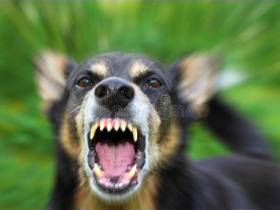



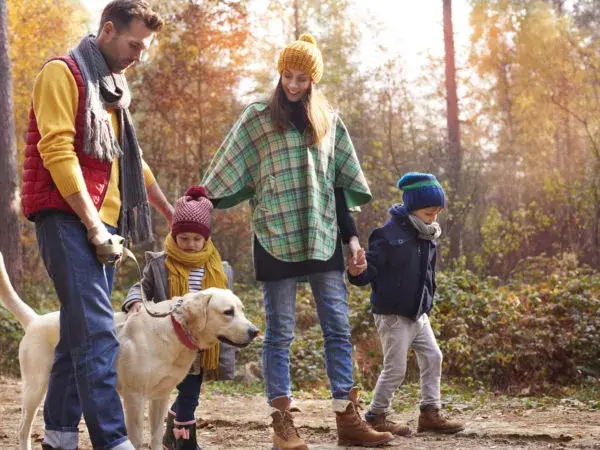
A dog who drags you down the sidewalk, launches at guests, or loses all hearing when another dog appears is not giving you a hard time. They are having a hard time making a better choice in that moment. Positive reinforcement dog training gives you a practical way to teach those choices clearly, build engagement, and create behavior you can rely on in real life.
For families everywhere, that matters more than a perfect sit in the living room. You want to open the front door without a rush, walk past distractions without being pulled off balance, and feel confident bringing your dog along for everyday life. Training should help your dog understand what to do, not leave them worried about what might happen if they get it wrong.
What Positive Reinforcement Dog Training Really Means
Positive reinforcement is simple: It is about value for the dog! “Wat is in it for the dog”! Positive and negative training is often misunderstood. It is not simply bribing your dog. A bribe appears before the behavior in hopes of persuading the dog to comply. Reinforcement happens after the dog makes a good decision, so they learn the connection between their action and the outcome. Over time, your dog learns that checking in with you, walking on a loose leash, settling on a mat, and coming when called are worthwhile choices. Positive and Negative are always used in reward based training. It is not a mean or nice thing! Think of it more like math, positive means to add something + and negative means to subtract something -, “Add or subtract”. If your dog doesn’t sit when asked you withhold the reward-“Negative or subtract. If they do want you ask quickly, you offer the reward – “positive or reward”. Strive to stay in the + or positive mode as much as possible!
Effective training is also more than handing out treats. Dogs need clear communication, consistent expectations, and enough repetition to understand a skill in different places. A dog may sit beautifully in the kitchen and struggle at a busy park because the park is harder. That is not stubbornness. It means the skill needs to be built gradually around greater distraction.
Why Rewards Build Better Everyday Behavior
Dogs repeat what works. When a puppy sits instead of jumping and earns attention, sitting becomes a useful strategy. When an anxious rescue dog looks at a trigger and then turns back to their owner, that check-in can be reinforced until it becomes a familiar response.
The goal is not to keep a treat in your hand forever. The goal is to build a history of successful choices. As your dog understands a behavior, rewards can become less predictable and more varied. Life itself begins to reinforce the behavior: a loose leash gets the walk moving, waiting at the door earns access outside, and coming when called leads to another chance to explore.
Kind Does Not Mean Permissive
One of the biggest misunderstandings about reward-based training is that it means letting dogs do whatever they want. It does not. Good dogs need rules and boundaries just as much as they need encouragement.
If your dog rushes the door, the answer is not to yell or physically force them away from it. It is to prevent rehearsal, teach a clear waiting routine, and make calm behavior the route to going outside. If your dog jumps on visitors, management might mean using a leash, gate, or separate space while you teach four paws on the floor and a settled greeting. You are not ignoring the problem. You are replacing it with a skill your dog can perform.
Management is especially important while training is underway. Every time a dog practices pulling to reach another dog, barking at the window for ten minutes, or charging through an open door, the habit gets stronger. Setting up the environment so your dog can succeed is thoughtful leadership, not a shortcut.
What is discipline in a dog relationship
Discipline is not about being mean! It is not about yelling at your dog and demanding compliance. The Latin root of Discipline is Disciple or “Follow”. For dogs, it is about following rules and recognizing boundaries! Discipline is imperative for a truly happy dog! Rules and boundaries maintain a balanced temperament – this is the key to all training!
Start With the Behaviors That Change Daily Life
For most owners, the best place to begin is not with a long list of commands. Start with the skills that create safety, calm, and connection at home.
Build attention before asking for obedience
A dog who cannot notice you cannot respond to you. Begin in a quiet room. Say your dog’s name once, and when they look toward you, mark the moment with a warm “Good Dog” and deliver a reward. Keep sessions short and easy. You are teaching your dog that orienting to you is valuable.
Then practice in slightly more challenging places: the backyard, the driveway, or the beginning of a walk. If your dog cannot respond, the environment is too difficult right now. Move farther from the distraction or make the exercise easier. Progress comes from successful repetitions, not from repeatedly asking a dog to fail.
Reward the behavior you want to live with
Training does not only happen during a formal five-minute session. Notice your dog choosing to lie down while you cook, pausing at the door, looking at a passing dog without exploding, or walking beside you for a few steps. Quietly reinforce those moments.
This is one reason in-home training is so valuable. The most meaningful behavior challenges often happen around your own front door, on your usual walking route, when the doorbell rings, or during the family’s busiest time of day. Training where life happens makes the lessons more relevant for both you and your dog.
Teach a replacement, not just a stop – “DO NOT DONT” builds value!!!
“Stop pulling” is not a behavior your dog can easily perform. “Walking without leash pressure or actually heeling can be”. “Do not bark at the window” is vague. “Come to your mat and settle” gives your dog a job.
When your dog reacts, ask what you want them to do instead. For a recall, teach them to turn and race back to you. For guests, teach them to go to a place and remain there calmly. For a dog who becomes overwhelmed on walks, teach a check-in and a smooth turn away before they reach their limit. Specific skills create specific results.
Common Mistakes That Slow Progress
The first mistake is moving too fast. Owners often test a new cue in the hardest possible situation before the dog has practiced it in easier ones. A reliable recall begins indoors, then in a fenced area, then on a long line with manageable distractions. Freedom is earned through proof, not hope.
The second is rewarding too late. Dogs learn from what happens immediately after their behavior. If your dog looks at you and then turns away before the treat arrives, they may not understand what earned it. Marking the correct moment “Good dog” as you deliver reward helps make your message precise.
The third is using food without a plan. Treats are useful information, but they should not become a lure that your dog follows around. Ask for a simple behavior, reward it, and then reset. As the skill improves, use the real-world rewards your dog wants too. Petting a dog can be very valuable to a dog, as well!
Finally, avoid treating every setback as defiance. Sleep, stress, excitement, pain, changes in routine, and a difficult environment can all affect behavior. If a normally social dog suddenly becomes reactive or a house-trained dog starts having accidents, consult your veterinarian. Training works best when the whole dog is considered.
When Professional Help Makes a Difference
Some challenges need more than online advice and a pocketful of treats. If your dog growls, snaps, bites, lunges, panics, guards resources, or cannot recover from triggers, get qualified support early. These behaviors are not a reason for shame. They are a reason for a thoughtful plan that protects everyone while building your dog’s confidence and skills.
Private instruction can also help when you know the basics but struggle to apply them consistently. A trainer can see the timing, body language, household routines, and environmental triggers that are easy to miss when you live with the problem every day. At Triumphant Canine, training is built around the situations you actually face, with clear coaching so you know how to carry the work forward between sessions.
Your dog does not need to be perfect to make meaningful progress. Start by noticing one good choice today, reward it clearly, and give your dog another chance to succeed tomorrow.